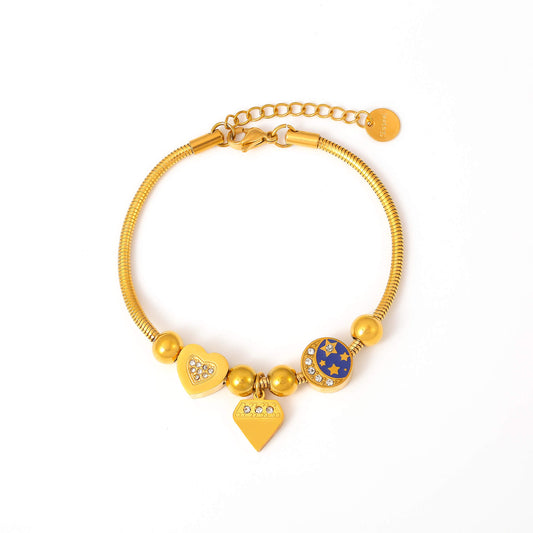
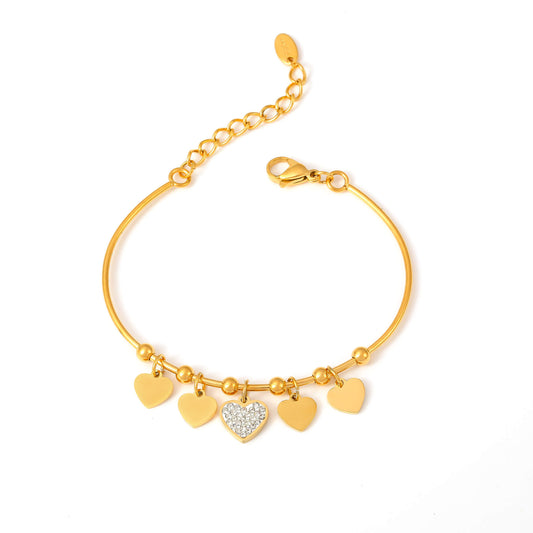
The Metaphor of Necklaces: Why Do We Long to Wear Symbols Around Our Neck?
Throughout human history, one type of jewelry has almost never left the stage: the necklace.
It rests close to the neck and heart, the most vulnerable and sacred part of the body. People have suspended metal, gemstones, crystals, feathers, and even ordinary stones here, as if doing so could forge a silent pact with the world.
Do we really need a necklace?
Perhaps the answer has long been hidden in ancient memory.
Necklace Placement: A Talisman Near the Heart

Psychologist Carl Jung believed that humans subconsciously seek archetypes—symbols that, once close to us, trigger a deep sense of safety and belonging. Necklaces embody this archetype perfectly.
They hang between the neck and the heart. The neck is the passage connecting the inner and outer world; the heart is the center of emotion and life. Wearing a talisman necklace here is like guarding the most fragile exit of the soul.
Ancient warriors wore protective talismans on their chests; travelers hung family symbols or stones from their hometowns around their necks; modern people wear a small spiritual pendant necklace, secretly wishing for something without telling anyone else.
The meaning of a necklace has never been merely aesthetic—it is a protector near the heart.
A Projection of the Soul: The Necklace as a Symbol of Self

If psychology helps us understand the comfort a necklace provides, philosophy reveals its deeper metaphor.
Plato wrote in The Republic: “The visible world is only a shadow of the forms.”
A necklace as spiritual jewelry can be understood as such a shadow—it externalizes the inner world, projecting the soul into reality.
A pearl necklace may symbolize purity, status, or ritual;
a black feather pendant may reflect rebellion and freedom;
a crystal necklace may not truly bring luck, but the belief it carries gives one strength.
We choose necklaces often not because they are “pretty,” but because they resonate with our inner selves. This is a language beyond words, a silent understanding. Others may not comprehend it, but we do.
Thus, necklaces become a secret language of identity: they tell others “who I am,” while quietly reminding ourselves “who I aspire to be.”
Cultural Heritage: From Ancient to Modern

The history of necklaces is almost as old as civilization itself. They are not merely ornaments, but cultural codes and symbols of spirituality.
Ancient Egypt: Necklaces were believed to guide the soul into the afterlife. Cleopatra was famous for her gold and gemstone necklaces, believing jewelry could bring her closer to the divine.
Ancient Greece and Rome: Soldiers wore protective talisman necklaces as symbols of honor and protection.
Medieval Europe: Cross necklaces were both symbols of faith and markers of social status.
Eastern traditions: Jade and talismans were hung from the neck for good fortune and spiritual protection.
Modern society: Necklaces have become spiritual and artistic jewelry that allow women to express individuality and inner philosophy.
No matter how cultures evolve, necklaces occupy a unique place—they are both aesthetic extensions and symbols of soul, identity, and spirituality.
Daily Rituals: Necklaces as Personal Ceremonies

In today’s fast-paced life, jewelry is often seen as a consumer product, yet necklaces still hold a special sense of ritual.
Choosing a necklace before leaving home is like setting a personal intention for the day.
A pearl necklace wearer may wish to maintain elegance and calm;
A black gemstone pendant wearer may hope for strength and determination;
A small symbolic charm wearer may silently embody a secret wish.
Spiritual necklaces are daily rituals—they remind us that we are not merely social roles, but beings with unique souls. They preserve a sense of mystery amidst the busyness of life.
Necklaces and Women: Symbols of Independence and Spirituality
For women especially, necklaces often form part of self-awareness.
Historically, necklaces symbolized power: queens and noblewomen adorned their necks with pearls and diamonds to display status.
Today, necklaces are more about self-recognition and spiritual expression.
A necklace may have nothing to do with appearance, but everything to do with an inner dialogue.
It can be a form of protection—reminding oneself to stay strong;
it can be a release—telling oneself to embrace freedom.
This is why many women choose a necklace at life’s turning points—graduation, travel, heartbreak, weddings, rebirth. It is a silent declaration: I am here, and I belong to myself.
Sazenice Philosophy: Necklaces as Symbols of the Soul
Sazenice believes that necklaces are bridges between humans and their souls.
They are not merely metal and stones, but containers of spirit and meaning.
We hope each necklace carries a metaphor:
A blend of darkness and romance, reminding you to keep a hint of mystery;
Symbols of spirituality and artistry, letting you touch philosophy even in daily life;
Simple yet profound designs, becoming talismans for self-dialogue.
Necklaces are not meant to please others—they exist to resonate with you in fleeting moments.
The Whisper Around Your Neck
When we wear a necklace, we place a whisperer around our neck.

It speaks without words, narrating through every heartbeat.

It reminds us not to forget the past, nor fear the future.

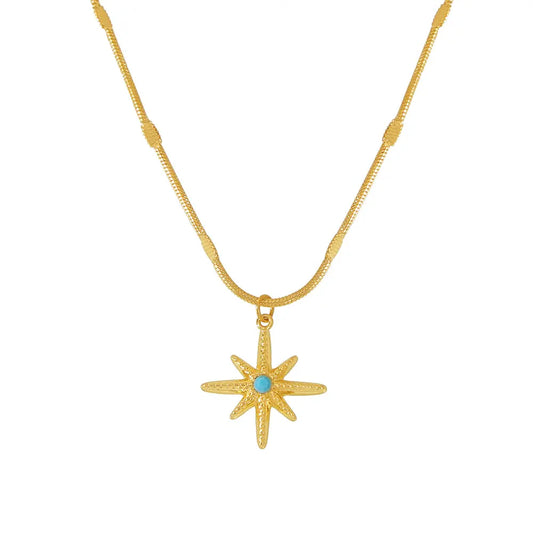
18k Gold Plated Moon and Star Necklace
It witnesses who we are and accompanies us becoming who we aspire to be.
Thus, a necklace is not decoration—it is a metaphor for the soul.
Sazenice necklaces aim to be the most unique language around your neck, a whisper belonging to the soul itself.